Yes. Historical data from every major US economic downturn since 1929 — including the Great Depression, 2008 GFC, and COVID-19 — shows the laundromat industry consistently growing or holding steady when other sectors contract. Here's the data.
The US laundromat industry has a 94–95% five-year business success rate — among the highest of any brick-and-mortar category. It grew during COVID-19 (laundromats were essential businesses), held steady through the 2008 GFC, and operated through the Great Depression. The industry generates $7.2B annually with structural counter-cyclical demand: more renters during downturns means more laundromat customers.
The factors that hurt other small businesses during recessions actively help laundromats:
Renter populations expand. When mortgage rates rise and home affordability declines, more people rent. Renters are dramatically more likely than homeowners to use commercial laundry — most rental units don't have in-unit washers and dryers, particularly in dense urban markets.
Appliance purchases get deferred. A washing machine is a $700–$1,500 discretionary purchase. During downturns, households defer those purchases and use commercial laundry instead — for years longer than they otherwise would.
People wash existing clothes more. When clothing budgets tighten, people maintain what they have. That means more washes per garment, more dry cleaning to extend formal-wear life, and more wash-dry-fold to reduce the time spent on laundry.
These three dynamics are structural — they happen during every recession, regardless of cause. Which is why laundry demand has held or grown through every major US downturn measured.
| Recession | Outcome for laundromats | Why |
|---|---|---|
| Great Depression (1929–1939) | Industry expansion | Mass migration to apartments and rentals; emergence of commercial laundry as essential service |
| 2008 Global Financial Crisis | Held steady to modest growth | Foreclosure crisis pushed homeowners into rentals; laundromat demand absorbed the shift |
| COVID-19 (2020–2022) | Industry grew (+478 establishments) | Classified as essential businesses; stayed open while other retail closed |
The recession-proof characteristics apply to the underlying laundry demand. The locker model amplifies them in three ways:
Lower fixed costs. No lease, no employees. The two largest fixed costs of a traditional laundromat are eliminated. That means a locker operator can survive lower-volume months that would close a leased laundromat.
Capital efficiency. Entry cost is $5,000–$15,000 instead of $200,000–$500,000. If macro conditions force a temporary slowdown, the operator's exposure is dramatically smaller.
Geographic diversification. A locker network spreads risk across multiple buildings or partnerships. A single-location laundromat is exposed to one neighborhood's economic conditions.
Yes. The US laundromat industry has demonstrated consistent resilience through every major economic downturn since the 1930s. During COVID-19, laundromats were classified as essential businesses and stayed open nationwide. US laundromat establishment count grew from 9,548 in Q1 2020 to 10,026 in Q1 2024 — during the COVID recession. The industry has a 94–95% five-year business success rate.
During recessions, the renter population expands as people defer homeownership — and approximately 60% of laundromat customers are renters. Additionally, appliance purchases are deferred, increasing reliance on commercial laundry. People wash existing clothes more frequently rather than buying new clothes.
The US laundromat industry has a five-year business success rate of 94–95%, which is among the highest of any brick-and-mortar business category. This compares favorably to restaurants (approximately 50% five-year survival), retail, and most service businesses.
The US laundromat market generates approximately $7.2 billion in annual revenue as of 2026, with a 1.6% compound annual growth rate. There are approximately 35,000 laundromats operating in the United States.
A 10-locker setup costs under $7,000 all-in — versus $200,000+ to buy or build a laundromat. No lease. No staff. Revenue typically begins within 60 days of installation.
When jobs are scarce, more people rent. When more people rent, laundromat demand rises. The locker-first model converts that durable demand into recurring revenue without exposure to lease, payroll, or hours-of-operation risk.
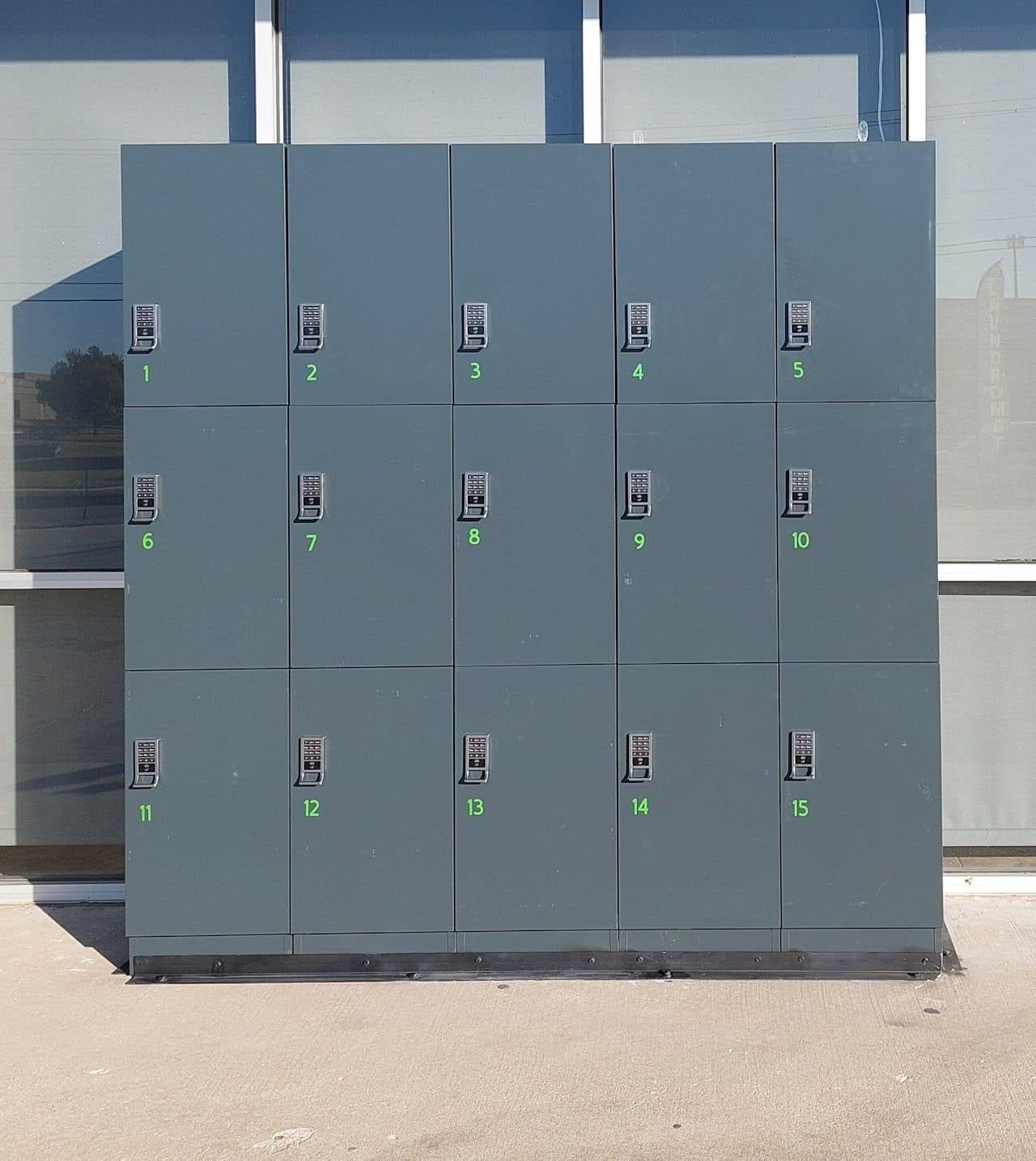
The locker-first model is the lowest-capital, lowest-risk way to enter the industry. Under $7,000 for a 10-locker setup. No lease. No staff. Revenue within 60 days.
An open letter from Daniel Stoof on how Breezy got here, what we have rebuilt, and the operator playbooks every customer now gets — including two free downloadable PDFs.