Lease a small retail unit, install a Breezy locker bank, and run a fully unattended laundry pickup-and-delivery storefront. Lower fit-out cost than a laundromat. No employees on payroll. Always open. Always on-brand.
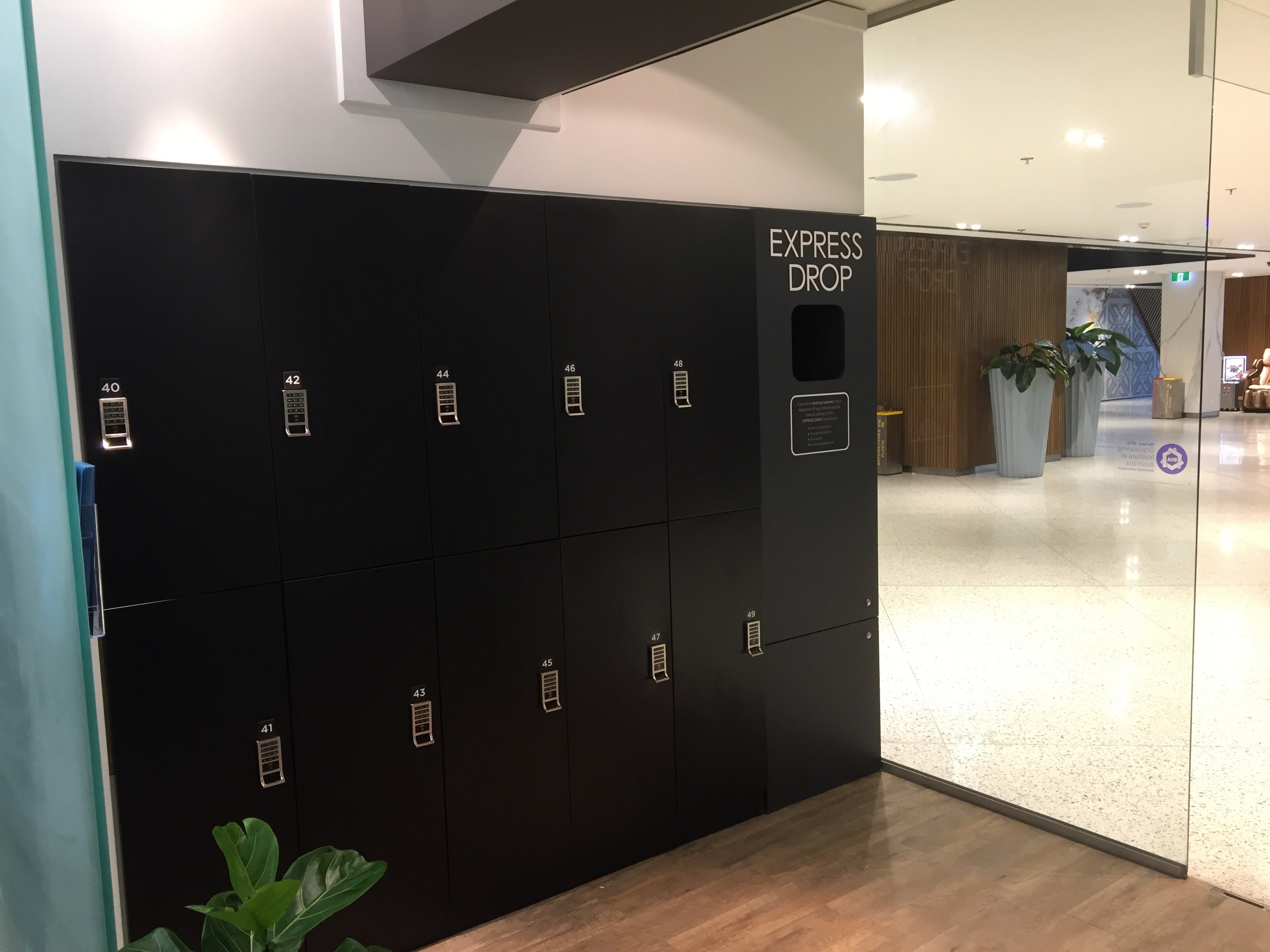
A 24/7 retail locker store is exactly what it sounds like — a small retail unit (200–400 sq ft) fitted out with a locker bank, signage, and a QR sign-up flow. Customers drop off, the cleaning is processed by a partner laundromat or plant offsite, and the customer collects from the same locker.
No washers on-site. No dryers. No counter. No staff. The entire footprint is the locker bank, signage, and a clean, well-lit room people feel safe walking into at midnight.
Each model trades capital for control. The 24/7 retail store sits in the middle — more capital and commitment than the locker-first model, far less than buying a laundromat, with the advantage of a permanent branded street presence.
| Locker-first business | 24/7 retail store | Buying a laundromat | |
|---|---|---|---|
| Total capital | $5K–$15K | ~$15K–$25K | $200K–$500K+ |
| Lease required | None | Yes (small unit) | Yes (5–10 yr) |
| On-site staff | None | None | 3–8 |
| Open hours | Building access | 24 / 7 public | Counter hours |
| Brand control | Shared with building | Full | Full |
| Walk-in foot traffic | None | Yes (compounds) | Yes |
| Time to live | 4–6 weeks | 8–12 weeks | 6–18 months |
| Best for | Capital-light entrants | Operators ready to commit | Acquirers |
A storefront customers walk past and remember. Your sign builds awareness 24 hours a day. Foot traffic compounds — apartment placements rely on resident churn.
Apartment lockers depend on building access policies. A retail store is publicly accessible at 2am — capturing late-shift workers, hospitality staff, gym-goers, and anyone whose schedule doesn't fit a 9–5 counter.
No building manager to negotiate with. No shared lobby aesthetics. The space is yours to design, light, and brand exactly the way the customer experience demands.
The fit-out is a template. Once your first store works, the second is a copy-paste. This is how chains get built — without ever buying a single washer.
A cleaning partner processes orders. The lockers handle drop-off and pickup. You handle nothing in person. Your operating cost is rent + utilities + cleaning revenue share.
No washers means no plumbing. No dryers means no gas line. No staff means no payroll, no scheduling, no HR. The store has fewer ways to break than a traditional laundromat.
Ground floor, street-visible, secure entry. Look for second-tier retail strips near apartments, transit, or universities. Targets: $1,500–$3,500/month rent.
Mix of WDF, multi-purpose, and long-door units depending on your service mix. ~$8,000–$13,000 delivered including freight.
A nearby laundromat or plant willing to process your orders for a revenue share or wholesale rate. Pickups typically run twice daily.
Handles orders, payments, notifications, and access codes. $399 setup + $99/month flat. Or integrate with CleanCloud / Cents / SMRT.
External branding, well-lit interior, electronic door access, security camera. ~$1,500–$3,000 total. Critical for both customer trust and insurance.
Local Google Ads, neighborhood flyers, opening offer, partnership with nearby gyms and apartment buildings. Our Resident Usage Marketing Pack covers the launch.
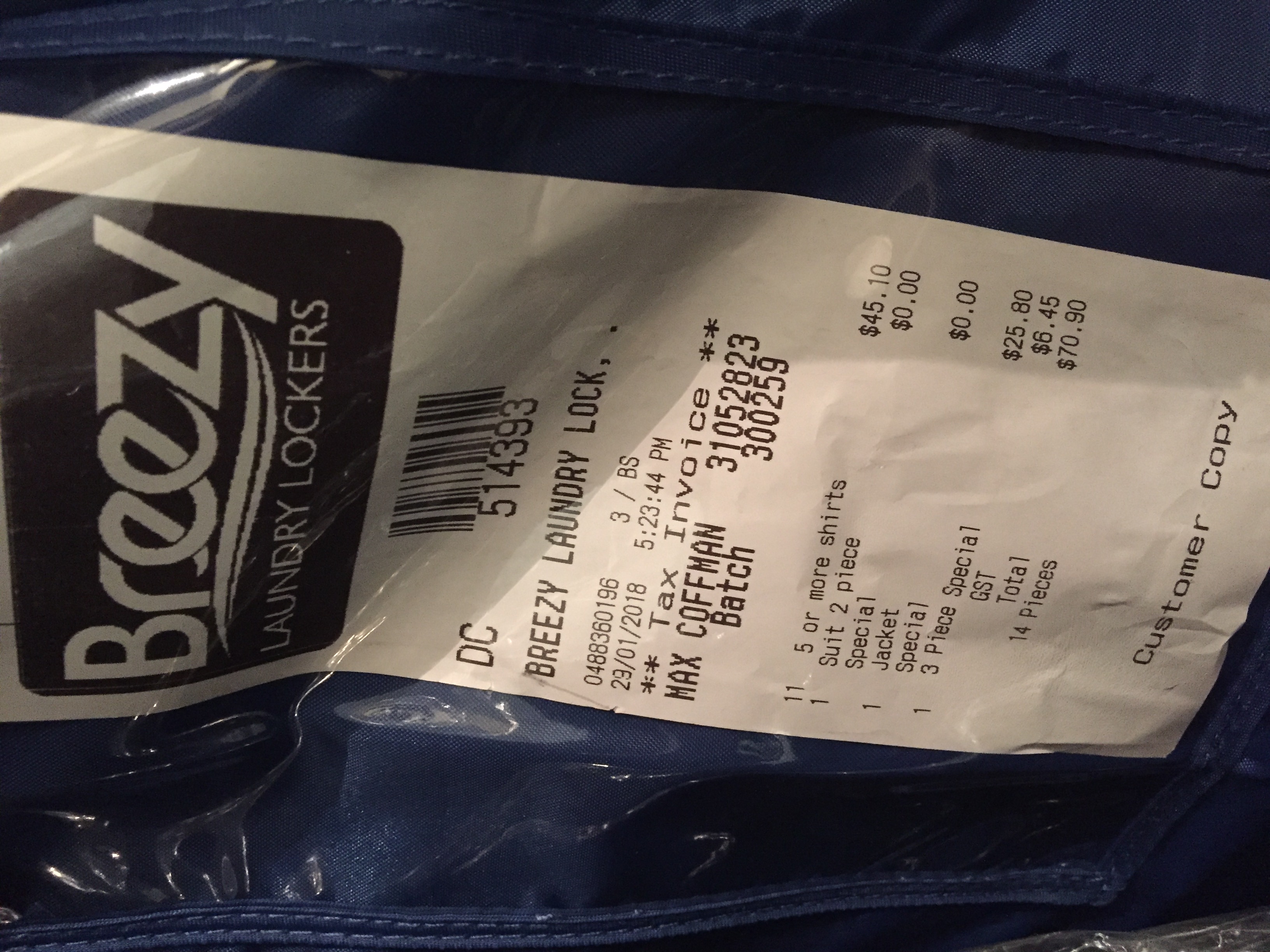
A long-running Melbourne dry cleaner converted one of its stores into a fully unattended locker storefront. This is what the build looked like and what running it looks like now.
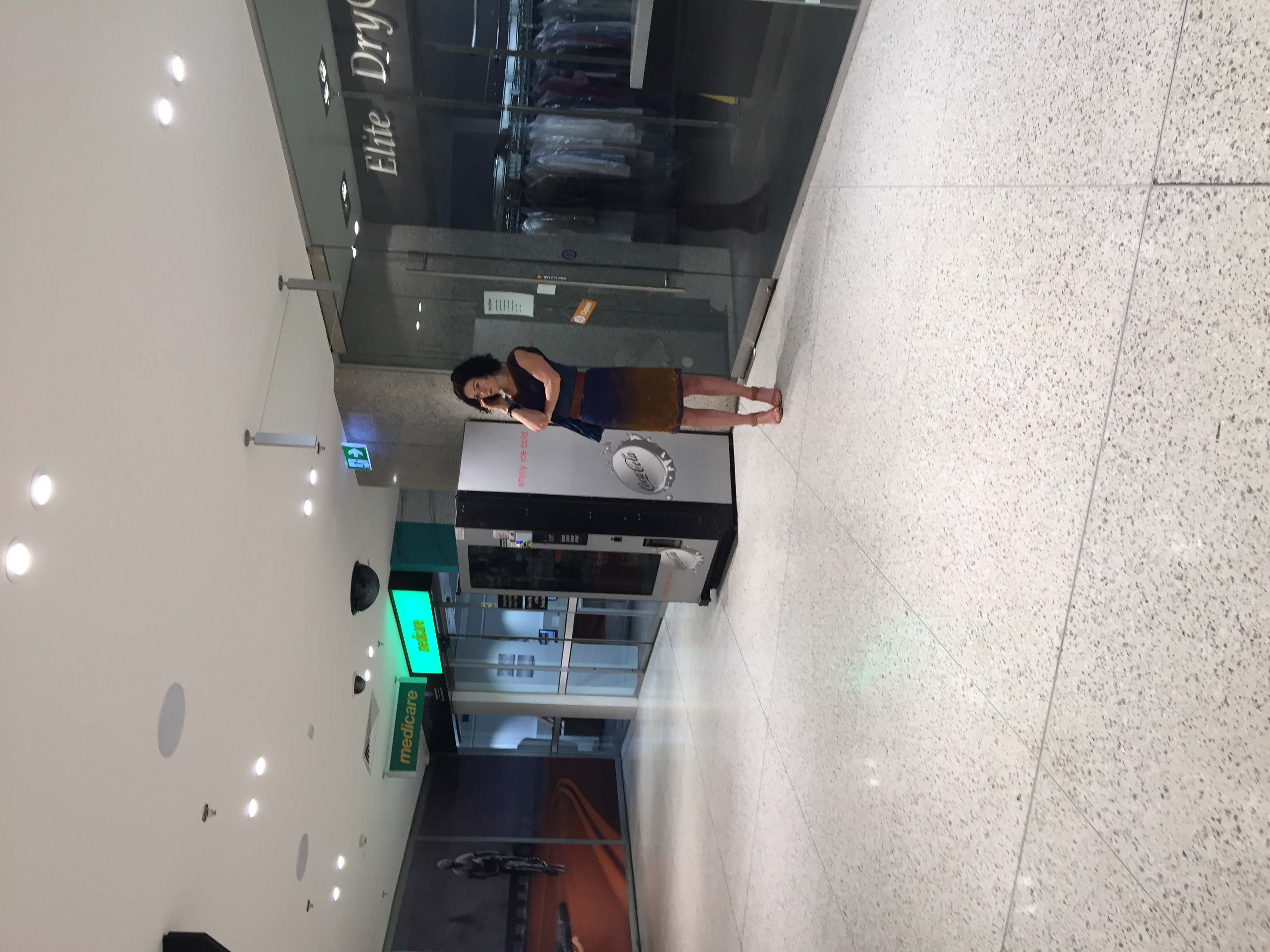
The model was straightforward: a counter staffed during business hours, customers drop off, customers come back. Staff cost is one of the biggest line items in a typical store. The bigger problem usually isn't the cost — it's what it does to customers.
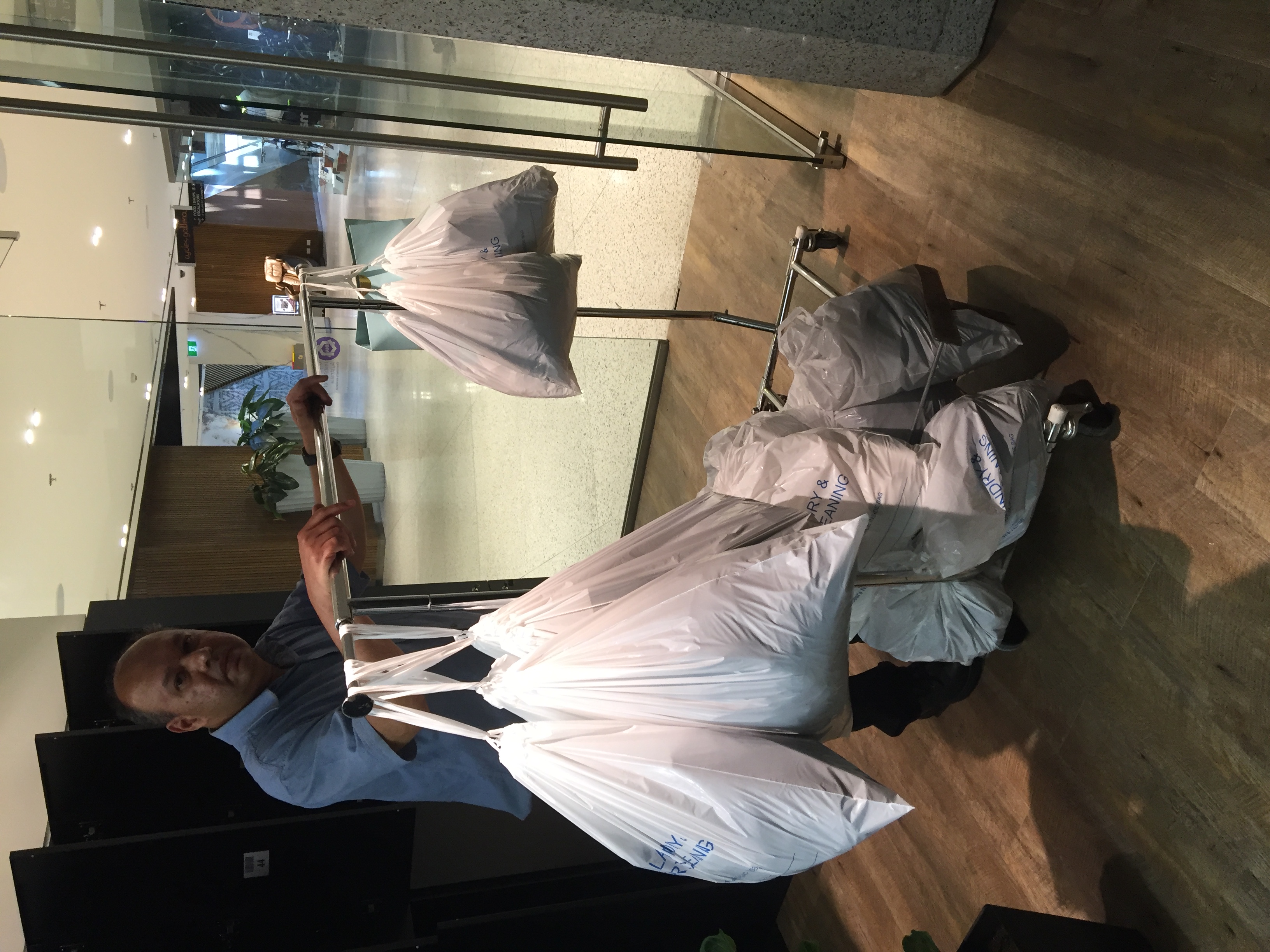
Counter staff go on breaks. They take lunches. They close for the night while half of a working-professional customer base is still at the office. People show up to drop off or collect dry cleaning and find a closed door — like the customer in this photo, on the phone outside, waiting for someone to come back.
Each one of those moments is a bad customer experience and a missed transaction at the same time. Stack enough of them up and you get a store that's busy with regulars but can't grow past them — capped by the hours one person can sit at a counter.
Lockers installed where the counter used to be. Cut-out signage on the wall. Branded instructions for customers. No washers, no dryers — cleaning happens at the main plant offsite.
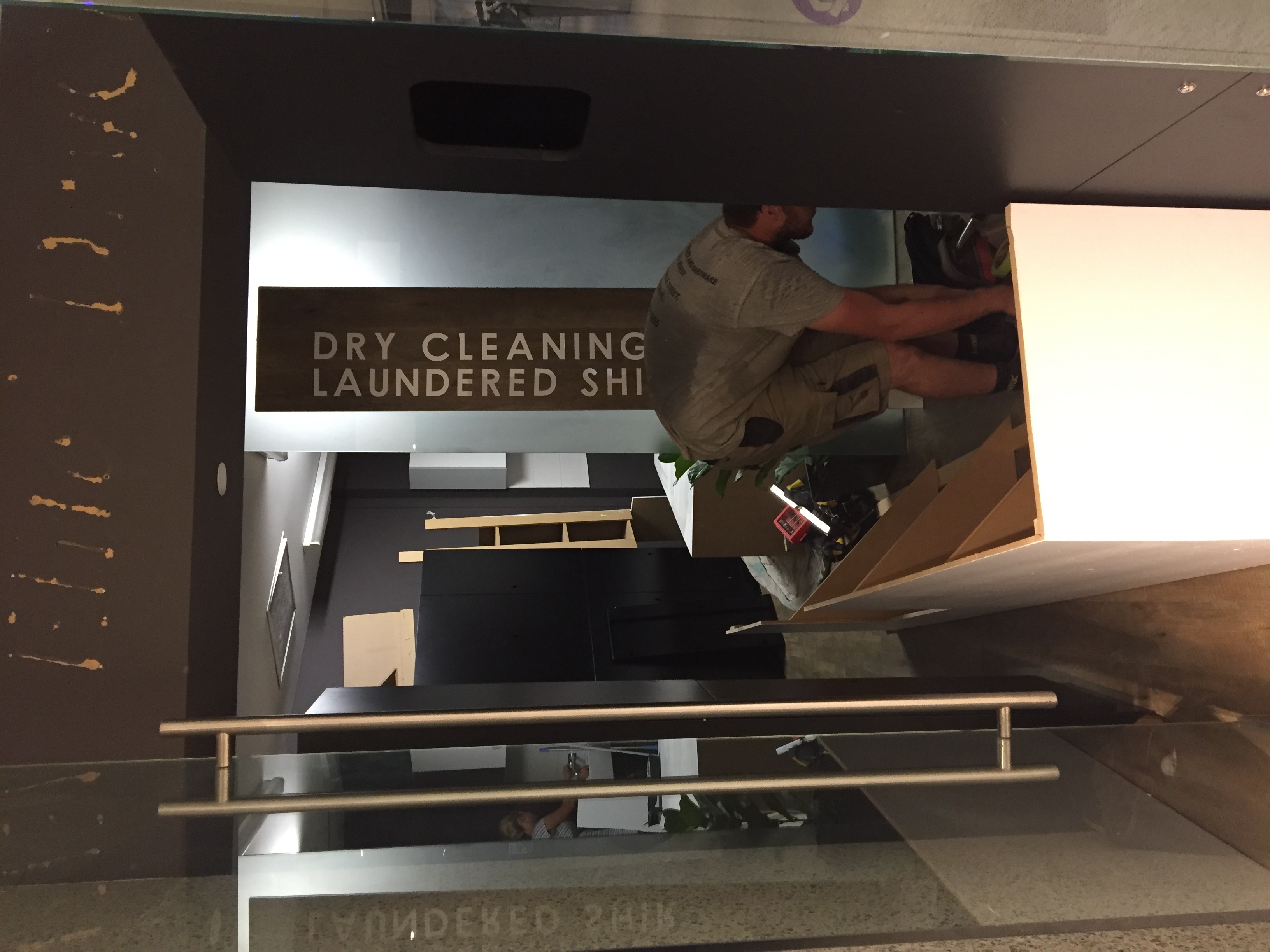
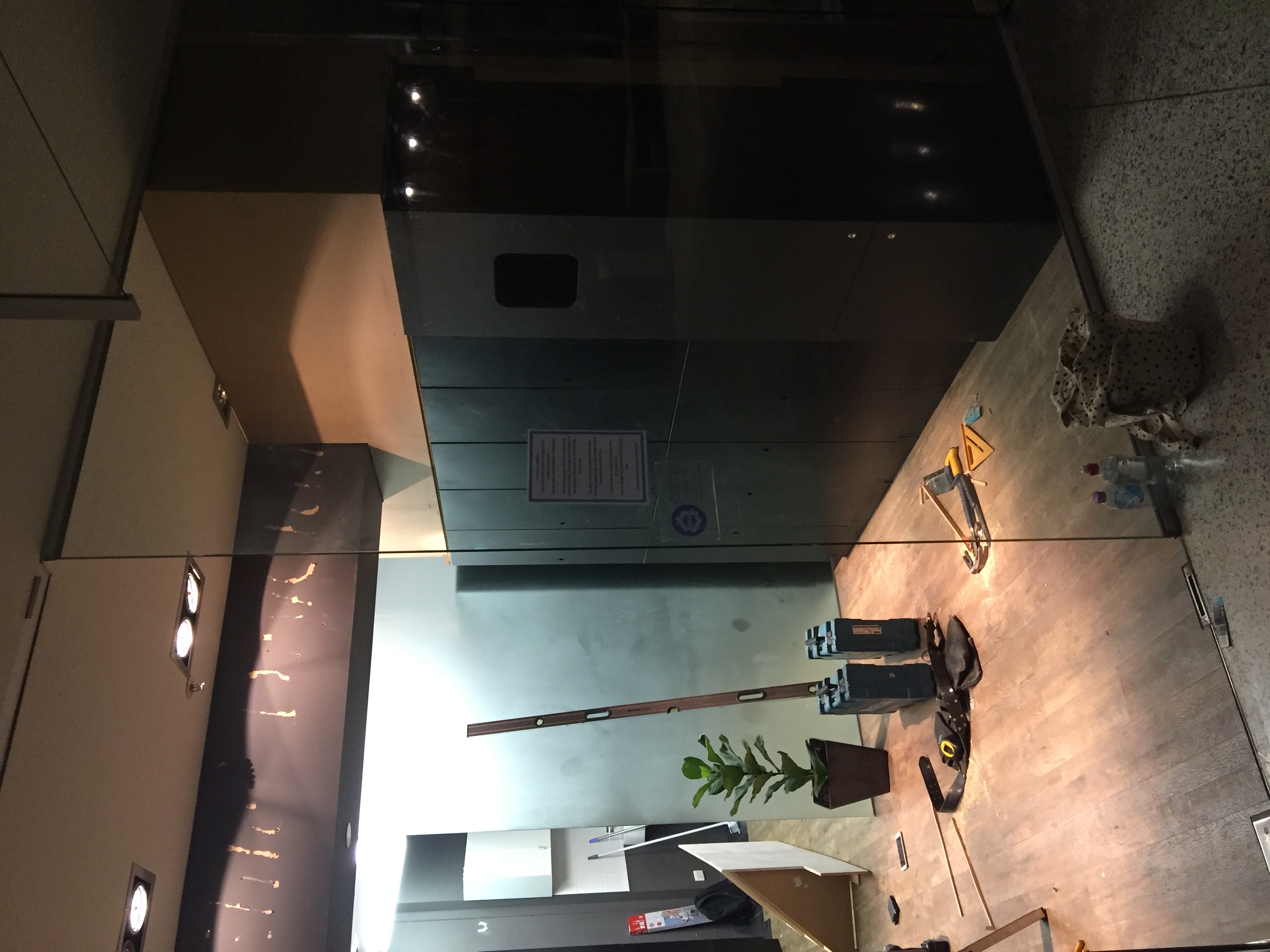
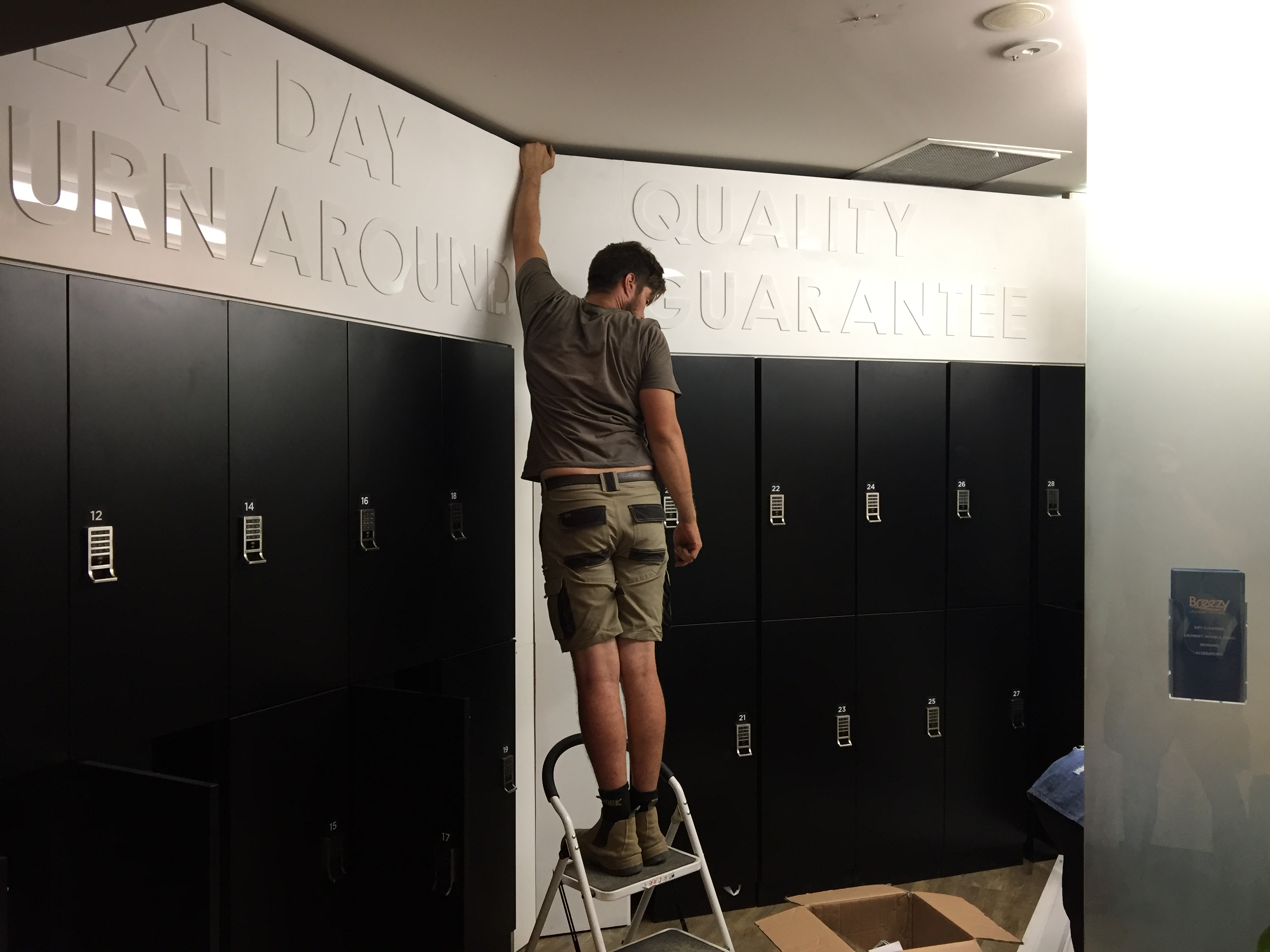
The cleaning still happens at the operator's main plant — a customer's order leaves the locker, gets cleaned, and comes back the next day. The locker is the entire customer-facing operation.
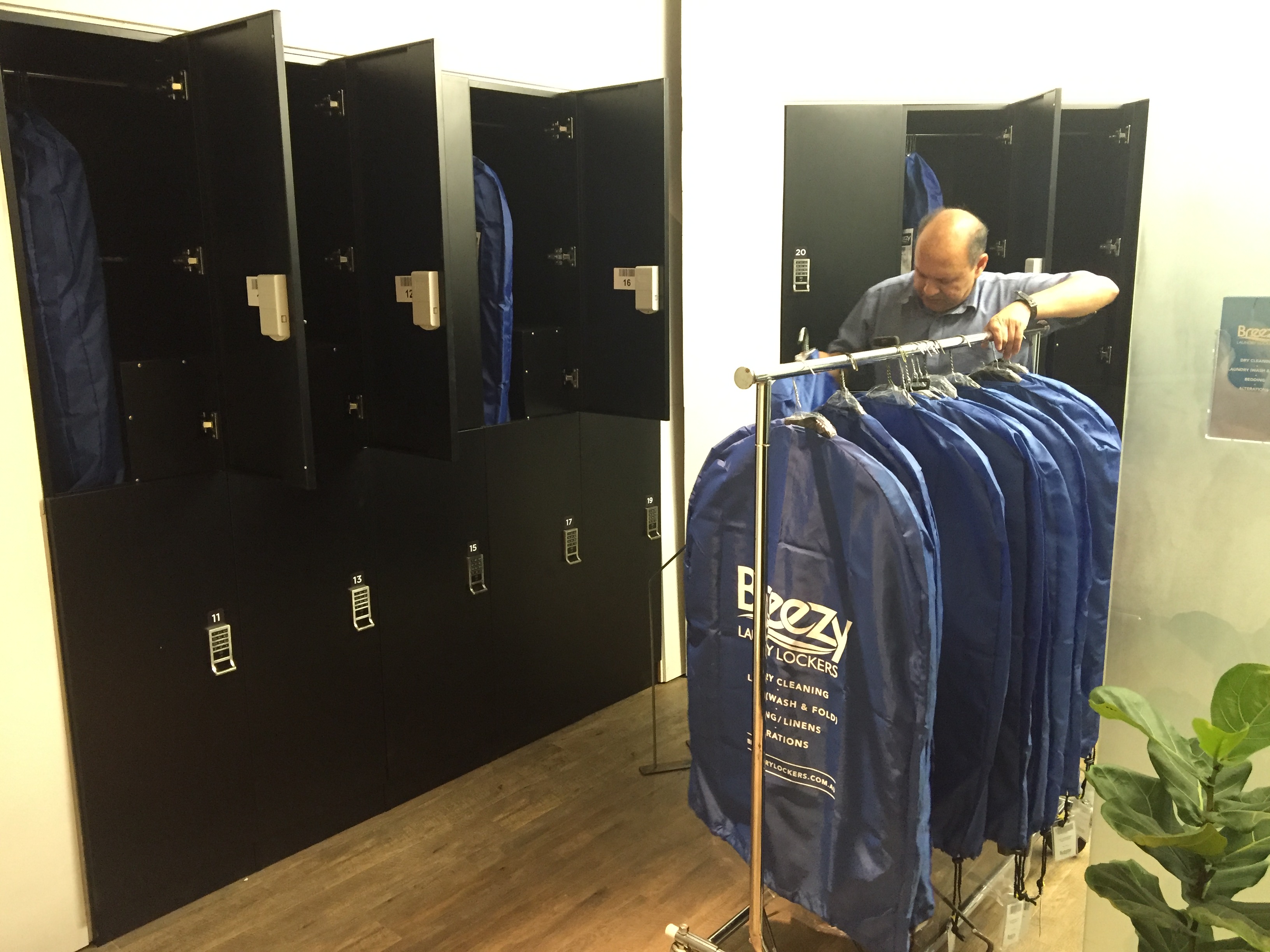
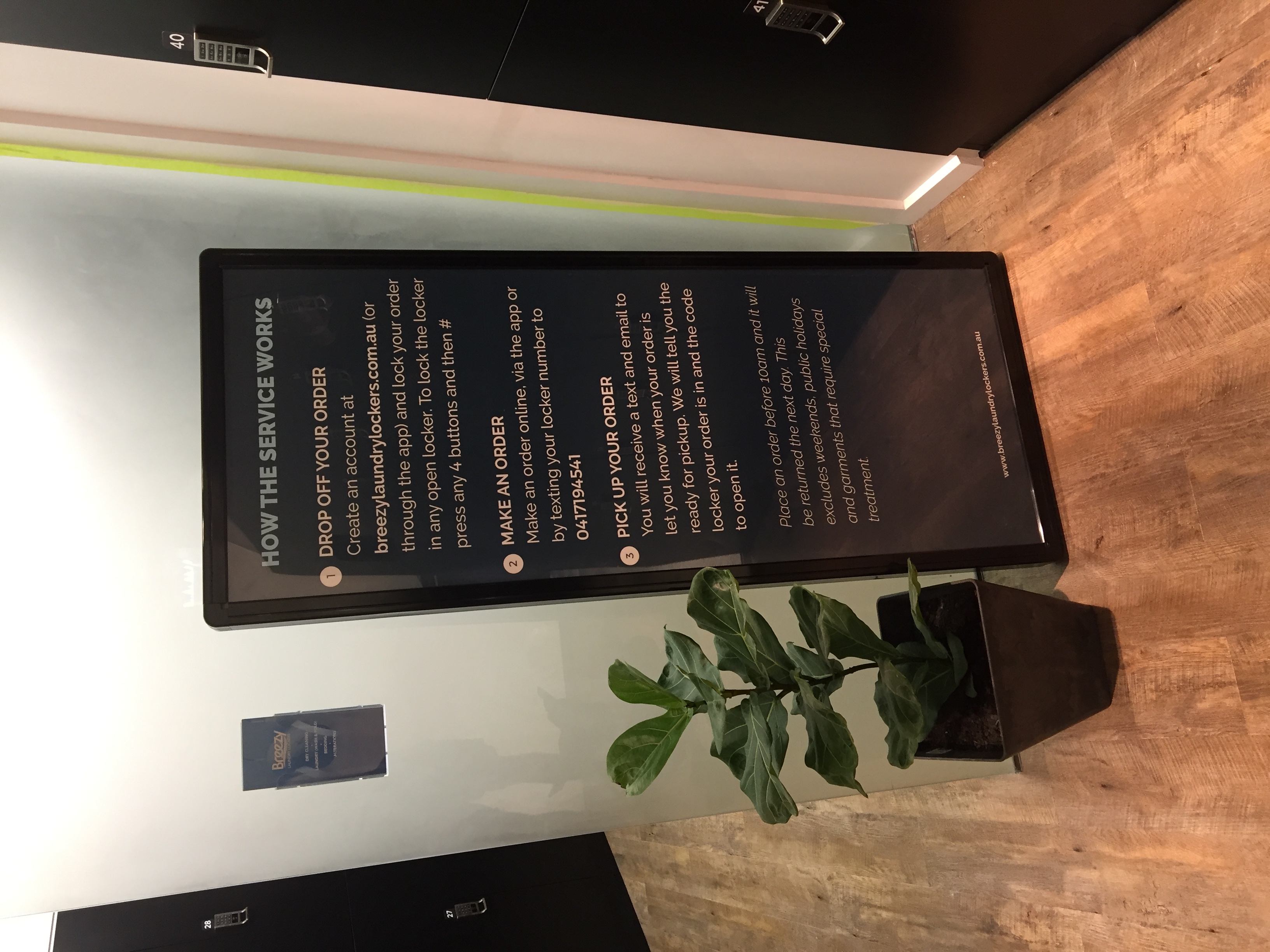
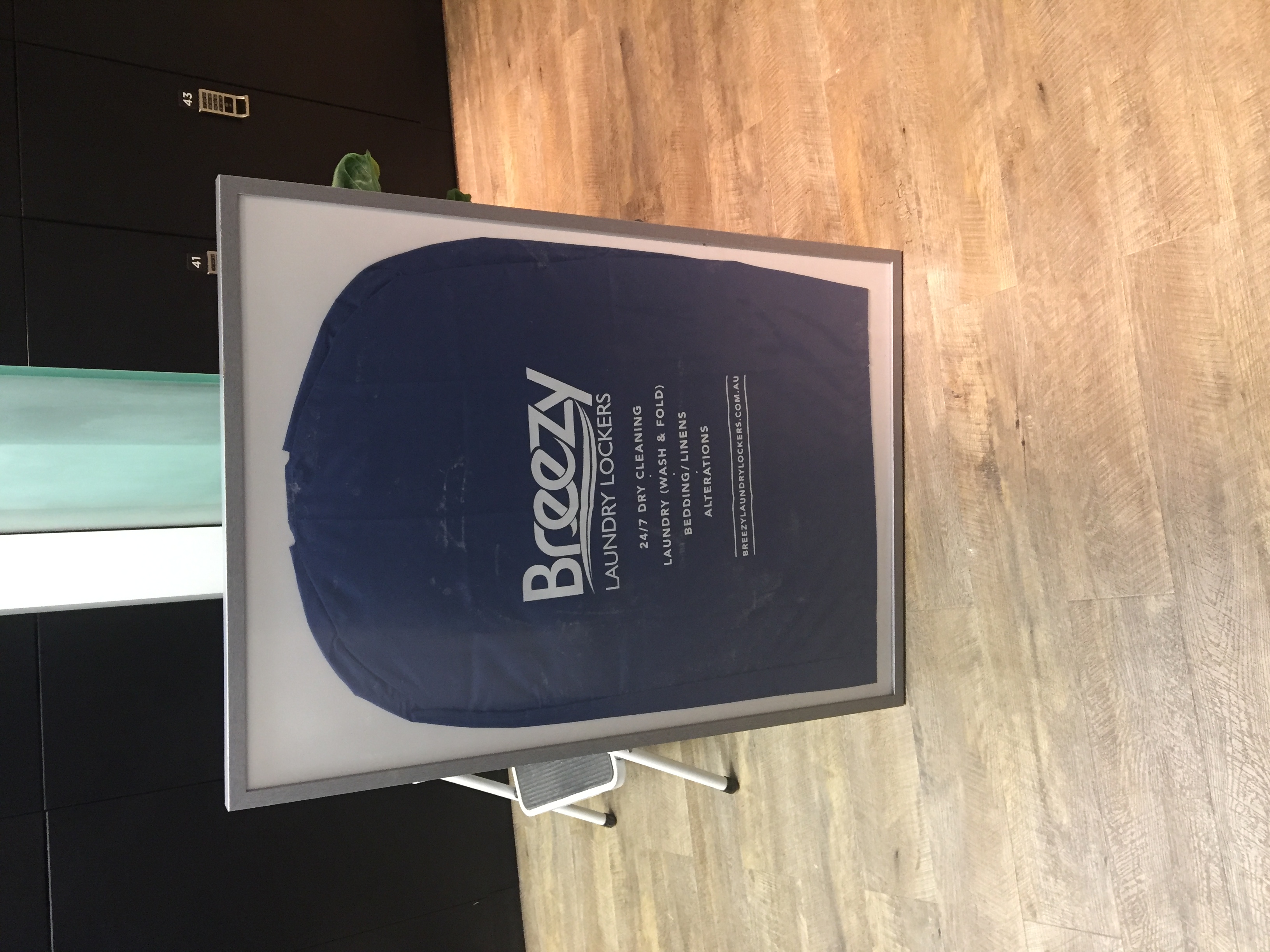
Three things every locker-only store operator gets back: their counter labour hours, their opening hours, and a model they can scale beyond a single address.
"My wife and I decided against reinventing the wheel and went with Dan. We saved enough time and money to make using Breezy well worth it."
Michael Donovan · Co-Owner, Elite Dry CleanersOnce the retail location is automated, the same locker model drops into apartment buildings, offices, gyms, and gated communities nearby. Building installs are typically a fraction of a retail fit-out and don't require new leases or staff — so a single retail address can become the anchor for a multi-site network. We send recommended locations and a sales kit to help land the first few buildings.






Ranges based on operator data. Actual results depend on local market, foot traffic, pricing, and partnership terms.
| Conservative | Realistic | Strong | |
|---|---|---|---|
| Orders / week | 30 | 60 | 120+ |
| Average ticket | $30 | $35 | $40 |
| Monthly revenue | $3,900 | $9,100 | $19,200+ |
| — Rent | ($2,500) | ($2,500) | ($2,500) |
| — Cleaning partner cost | ($1,560) | ($3,640) | ($7,680) |
| — Software + utilities | ($300) | ($300) | ($300) |
| Net profit / month | ($460) | $2,660 | $8,720 |
| Payback on $20K fit-out | — | ~7.5 mo | ~2.5 mo |
Conservative scenario shows a small loss — typical for first 60–90 days during ramp-up. Most operators reach the realistic scenario within 4–6 months.
You already have a cleaning operation. The retail store becomes a satellite drop-off — extending your reach into neighborhoods where you can't justify a full laundromat.
You started with apartment placements, validated demand, and want a permanent branded location. The retail store is the natural next step.
If you're sitting on $200K and considering a laundromat — three or four 24/7 retail stores might serve more neighborhoods, with less risk per location.
You can — and many operators eventually do. But a laundromat costs 10–20× more, requires a long lease, and needs staff. The 24/7 retail store gets you a branded street presence at a fraction of the capital, and lets you validate the location before scaling. Many operators run 3–5 retail stores for the cost of buying one laundromat.
No — you partner with one. Most cities have laundromat operators who will gladly take wholesale wash-dry-fold contracts. The economics work because you bring them volume they wouldn't otherwise capture, and they handle fulfillment for a fixed per-pound rate or revenue share. We provide the partnership templates.
Look for second-tier strips with apartment density nearby, near transit, near gyms or universities. The rent should be 30–40% below prime retail. The space needs ground-floor access, secure entry, and reliable lighting. We provide a location-scouting checklist as part of the launch package.
Standard small-business liability covers the storefront. The lockers themselves include locking mechanisms with audit trails — every access is logged. You'll typically also carry cleaner's bond coverage that flows through to your cleaning partner's insurance. Total insurance cost is usually $80–$150/month.
Yes — and that's where the model gets really interesting. Once your first store is operational, the second one is a copy. Same software, same partnership template, same locker spec. Operators who've validated their first location often add a second within 6–9 months and a third by month 12.
Automating a laundromat keeps the washers, dryers, and counter — the lockers extend hours and reduce attended labor. A 24/7 retail store has no washers or dryers on-site. The cleaning is processed offsite by a partner. The store is purely a branded drop-off / pickup point.
After you submit your LOE, our team scopes the unit and builds a personalized fit-out package within 2 business days. Here's what's in it.
Lockers + freight, signage, lighting, electronic door access, security camera, and software setup. Single all-in number for your unit.
15–25 unit configuration sized to your space, service mix (WDF / dry cleaning / hanging), and target order volume.
How to structure the revenue share or wholesale rate with your nearby laundromat partner. Sample agreement template included.
Local Google Ads setup, neighborhood flyer templates, opening offer, and partnership outreach list to nearby gyms and apartment buildings.
Tell us your target neighborhood, your budget, and your operations situation. We'll send a fit-out plan, a locker recommendation, and a partnership outline within 2 business days.
A 200–400 sq ft unattended store kit: a tuned locker mix (Multi-Purpose, WDF, Express-Drop), software setup, payment configuration, and the launch playbook. Submit your order with target retail location and we'll confirm freight, fit-out timing, and your launch plan in the LOE within 2 business days.
An open letter from Daniel Stoof on how Breezy got here, what we have rebuilt, and the operator playbooks every customer now gets — including two free downloadable PDFs.